Whole-House Generator Installation Across Union County, NJ
A power outage can interrupt nearly every part of life at home. Refrigerators begin warming, lights and outlets stop working, internet equipment shuts down, and heating or cooling may be unavailable. Homes with sump pumps, well equipment, security systems, or essential medical devices can face additional concerns during an extended outage.
Nobody wants to move a portable generator, run extension cords, and search for fuel after the power is already out. A permanently installed standby generator offers a more convenient solution. When utility service is interrupted, the system can start automatically and deliver backup power through professionally installed transfer equipment.
The right generator depends on more than the home’s square footage. Our electricians begin by asking what you want to keep running. Some homeowners prioritize refrigeration, lighting, internet equipment, and selected outlets. Others want broader coverage that includes a sump pump, well system, heating, central air conditioning, or additional household circuits.
Pipe Works provides complete electrical services, allowing our team to coordinate the generator with the home’s electrical panel and selected circuits. We review the expected power demand, transfer equipment, fuel availability, and outdoor installation area before presenting your options. This in-house approach gives you one accountable team throughout the project.
Permanent Standby Generators vs. Portable Units
Portable generators can supply temporary power, but they require manual setup whenever an outage occurs. The generator must be moved to a safe outdoor location, fueled, started, and properly connected. Portable equipment should never be operated inside a house, garage, basement, or another enclosed or partially enclosed space because of the danger posed by carbon monoxide.
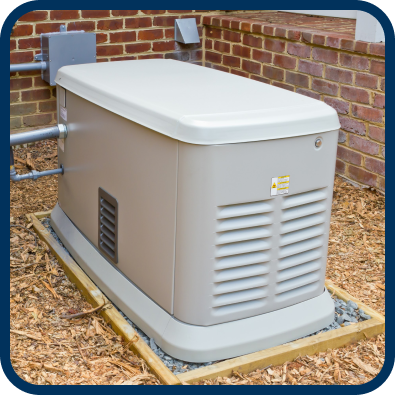
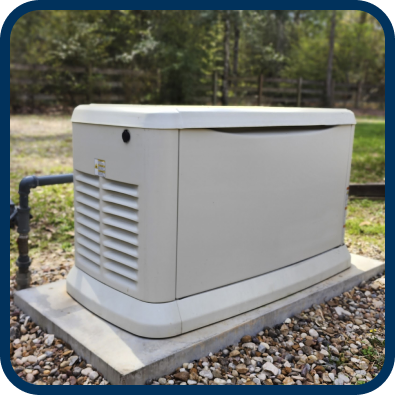
A permanent standby generator is installed outdoors in a fixed location and connected to the electrical system through transfer equipment. It is designed to recognize a loss of utility power, start automatically, and supply electricity to the circuits included in the installation plan. When utility service returns, the system transfers the home back to utility power and shuts down.
Pipe Works installs Kohler standby generators that commonly use natural gas or propane. The appropriate fuel depends on its availability at the property, the selected generator, and the overall installation design. Our electricians explain how the proposed equipment will operate so you know what to expect before, during, and after an outage.
Difference Between Standard and Whole-House Generators
A standard backup generator typically powers a selected group of essential circuits. A homeowner might prioritize the refrigerator, freezer, sump pump, well equipment, lighting, internet equipment, and several outlets. This approach can provide dependable backup for important systems without supporting every circuit in the house.
A whole-house generator is designed to provide broader electrical coverage. Depending on its capacity and the home’s expected demand, it may support most or all household circuits. Whole-house coverage does not always mean that every high-demand appliance can operate simultaneously. Load-management equipment may be used to prioritize essential systems and control when larger electrical loads receive power.
Our electricians calculate the expected demand created by the equipment you want available. We then help you compare selected-circuit and whole-house options, rather than recommending more capacity than the home needs or a system that cannot support your priorities.
Home Backup Generator Benefits
A standby generator cannot prevent an outage, but it can make your home better prepared for one. The specific benefits depend on the generator’s capacity and the circuits selected during system design.
- Automatic backup power: Restore electricity to supported circuits without setting up portable equipment.
- Refrigeration: Help keep refrigerators and freezers operating during a utility interruption.
- Heating and cooling: Support selected HVAC equipment when it is included in the generator plan.
- Water management: Keep a sump pump or well system operating if it is connected to a supported circuit.
- Lighting and communication: Maintain selected lights, outlets, internet equipment, and device charging.
- Home protection: Support security equipment and other essential systems during an extended outage.
- Less manual work: Avoid moving, connecting, and refueling a portable generator during severe weather.
Before installation, we explain which systems the proposed generator can operate and whether any loads will need to be managed. You will have a clearer understanding of the expected coverage before the work begins.

 It’s & We’re Always Open!